
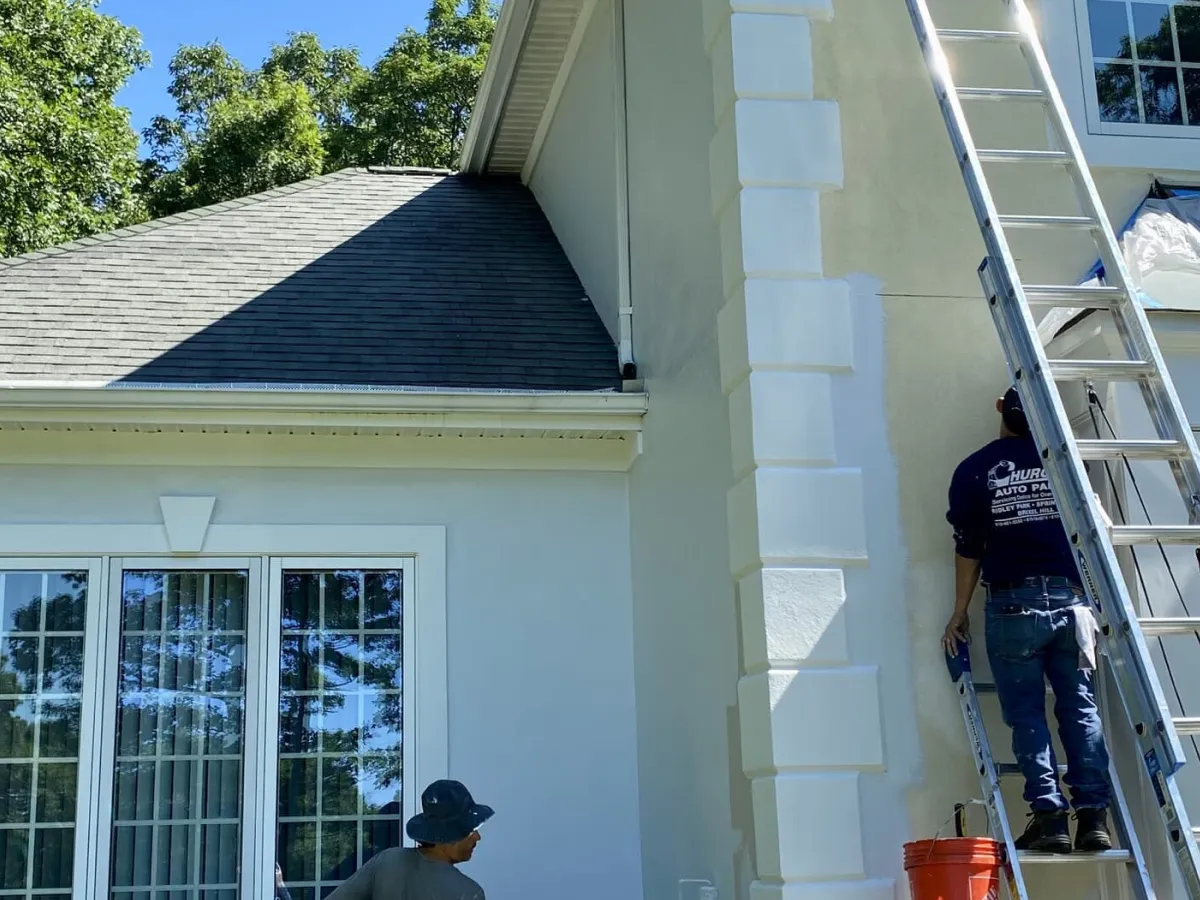
Understanding Freeze-Thaw Damage
New Jersey winters subject stucco exteriors to repeated freeze-thaw cycles that can compromise structural integrity and lead to costly repairs if left unaddressed. When moisture penetrates stucco surfaces and temperatures drop below freezing, the water expands by approximately nine percent. This expansion creates internal pressure that forces existing cracks wider and generates new fractures throughout the material. The process represents one of the most destructive natural forces acting on exterior building materials in the Northeast region.
The pattern repeats throughout winter as temperatures fluctuate, causing cumulative damage that may not become visible until spring when homeowners finally inspect their properties after months of cold weather. Homes in Pompton Lakes face particular vulnerability due to the region’s temperature swings, which can shift from below freezing overnight to above freezing during daylight hours. This constant cycling accelerates deterioration compared to climates with more stable winter temperatures, making professional inspection essential for maintaining property value and structural soundness.
Stucco systems consist of multiple layers, including the base coat, mesh reinforcement, and finish coat, each serving a critical function in protecting the underlying structure. Freeze-thaw damage can affect any or all of these layers, creating separation between them that compromises the entire system’s effectiveness. When layers separate, the entire system loses its ability to shed water effectively, allowing moisture to penetrate deeper into wall assemblies where it can cause rot, mold growth, and structural damage to framing members. Understanding this mechanism helps homeowners recognize why even small surface cracks demand immediate attention before spring rains arrive and compound existing problems.
The science behind freeze-thaw damage reveals why prevention and early detection prove more cost-effective than delayed repairs. Each freeze-thaw cycle weakens the stucco matrix slightly, and over multiple seasons, this cumulative damage can transform minor cosmetic issues into major structural concerns requiring extensive remediation. Professional stucco contractors in Pompton Lakes understand the specific challenges posed by New Jersey’s climate patterns and can identify vulnerable areas before they deteriorate beyond simple repair.
Water infiltration represents the primary concern with freeze-thaw damaged stucco because moisture trapped within wall assemblies creates ideal conditions for secondary problems including wood rot, insulation degradation, and interior water damage. The expansion force generated during freezing can reach several thousand pounds per square inch, sufficient to crack even properly installed stucco systems that have accumulated minor defects over time. Homeowners should recognize that visible surface damage typically indicates more extensive hidden deterioration within the wall assembly, making professional assessment crucial for determining the full scope of necessary repairs.
Temperature fluctuations common to the Pompton Lakes area create particularly aggressive conditions for stucco exteriors because the freeze-thaw cycle may repeat dozens of times throughout a single winter season. Unlike regions where temperatures remain consistently below freezing, New Jersey’s variable winter weather prevents frozen moisture from remaining stable, instead subjecting building materials to constant stress. This regional characteristic makes regular maintenance and post-winter inspections essential components of responsible property ownership for homes with stucco exteriors.
Hairline Cracks vs. Structural Issues
Distinguishing between cosmetic imperfections and serious structural damage requires understanding the fundamental differences in crack patterns, widths, and locations throughout your stucco exterior. Not all cracks indicate the same level of concern or urgency for remediation. Hairline cracks measuring less than one-eighth inch wide often result from normal settling processes, minor surface shrinkage during curing, or thermal expansion and contraction cycles that naturally occur as temperatures fluctuate throughout the seasons. These cosmetic imperfections typically affect only the finish coat layer of your stucco system and may not require immediate professional remediation, though they should be regularly monitored and properly sealed to prevent moisture intrusion that could escalate into more significant problems over time.
Structural cracks present with distinctly different characteristics that warrant immediate professional assessment and intervention. These problematic fissures typically measure wider than one-quarter inch, run diagonally across substantial wall sections, or form distinctive stair-step patterns along mortar joints in masonry substrates. Structural cracks often indicate significant movement in the building foundation, inadequate or damaged expansion joints, excessive settling beyond normal parameters, or substantial water damage that has compromised the substrate materials behind the visible stucco surface. Unlike superficial hairline cracks that remain stable, structural cracks frequently widen over time and create pathways for significant water penetration that can progressively damage wooden framing members, insulation materials, electrical systems, and interior finishes throughout your home.
The specific location and pattern of cracks throughout your exterior provides crucial diagnostic information for experienced stucco professionals. Cracks concentrated around windows and doors typically suggest improper flashing installation, inadequate weatherproofing details, or localized settlement in these vulnerable transition areas. Horizontal cracks appearing near the foundation level often indicate moisture intrusion from ground contact, inadequate drainage systems, or hydrostatic pressure pushing against foundation walls. Vertical cracks appearing at building corners frequently result from thermal expansion and contraction stresses concentrating at these structural transition points. Cracks radiating from window corners suggest impact damage or inadequate reinforcement around openings. Random map-cracking patterns across broad wall sections may indicate improper mixing ratios, inadequate curing conditions, or substrate moisture issues affecting the entire wall assembly.
European Stucco Design LLC has conducted hundreds of comprehensive moisture inspections throughout Pompton Lakes and surrounding New Jersey communities, bringing extensive diagnostic experience that accurately distinguishes surface-level cosmetic concerns from underlying moisture issues requiring immediate professional remediation. Our systematic inspection methodology identifies the root cause of visible damage rather than simply addressing cosmetic symptoms, ensuring that recommended repairs actually solve underlying structural and moisture problems instead of providing temporary cosmetic fixes that mask deteriorating conditions. Professional moisture testing equipment detects hidden water intrusion behind intact-appearing surfaces, infrared thermography reveals temperature differentials indicating trapped moisture, and invasive probe testing confirms the extent of substrate damage that visual inspection alone cannot assess.
Understanding crack progression patterns helps homeowners recognize when monitoring transitions into urgent action. Cracks that remain stable over multiple seasonal cycles may require only periodic sealing and observation, while cracks that visibly widen, lengthen, or multiply indicate active problems demanding professional assessment. Cracks accompanied by efflorescence, staining, soft spots, or hollow sounds when tapped suggest moisture has penetrated beyond the surface layer. Our experienced team documents existing conditions, establishes monitoring protocols for borderline situations, and provides clear recommendations distinguishing cosmetic maintenance from essential structural repairs that protect your home’s integrity and value.
Moisture Entry Point Detection
Visible cracks represent only one category of moisture entry points. Water infiltrates stucco systems through numerous pathways that may not be immediately obvious during casual inspection. Failed caulking around windows, doors, and penetrations creates direct channels for water entry. Over time, caulking becomes brittle and separates from surfaces, leaving gaps that appear minimal but allow substantial water infiltration during rain events.
Flashing failures represent another common entry point. Properly installed flashing directs water away from vulnerable areas, but improper installation, deterioration, or complete absence of flashing allows water to run directly into wall cavities. This problem frequently occurs at roof-wall intersections, above windows and doors, and where different building materials meet.
Stucco itself becomes a moisture pathway when the finish loses its water-resistant properties. Stucco surfaces should shed water rather than absorb it, but aged or improperly applied finishes can become porous. Look for discoloration, dark streaks running down walls, or areas that remain damp long after rain has stopped. These signs indicate water absorption rather than proper shedding.
Subtle indicators often reveal hidden moisture problems before major damage becomes apparent. Interior paint bubbling or peeling near exterior walls suggests moisture penetration. Musty odors in rooms adjacent to exterior walls indicate ongoing moisture problems within wall cavities. Efflorescence, which appears as white powdery deposits on stucco surfaces, occurs when water moving through the material brings dissolved salts to the surface. Each of these signs warrants professional moisture testing to determine the extent of infiltration and identify specific entry points requiring remediation.
Conducting Your Post-Winter Assessment
Begin your assessment on a dry day after temperatures have remained consistently above freezing for at least several days. This timing allows any frost-related expansion to subside and reveals the true condition of stucco surfaces. Walk the entire perimeter of your home, examining walls at eye level and noting any changes since your last inspection.
Pay particular attention to north-facing walls, which receive less direct sunlight and retain moisture longer than other exposures. In Pompton Lakes, homes situated near wooded areas or with significant tree cover may show accelerated deterioration on shaded elevations. Examine the lower three feet of walls carefully, as this zone experiences the most severe freeze-thaw cycling due to snow accumulation and ground moisture.
Document findings with photographs that show both overall wall conditions and close-ups of specific concerns. Note the location, size, and orientation of cracks. Check whether cracks are active by looking for fresh exposed material inside the crack or whether they appear weathered and stable. Test whether loose material can be easily removed by lightly pressing stucco surfaces with your hand.
Inspect all transitions and penetrations methodically. Run your finger along caulk joints around windows and doors to check for gaps or separation. Look at corners, both inside and outside, where two wall planes meet. Examine areas where utilities enter the building, including electrical service, gas lines, outdoor faucets, dryer vents, and cable or telephone lines. Each penetration requires proper sealing that remains flexible as materials expand and contract.
Use binoculars to examine upper-story walls, roof-wall intersections, and areas around chimneys without climbing ladders. Look for the same indicators you identified at ground level, including cracks, discoloration, and damaged caulking. If you observe concerning conditions in hard-to-reach areas, professional assessment becomes particularly valuable since repairs at height require proper equipment and safety protocols.
When to Schedule Professional Inspection
Certain findings during your self-assessment indicate the need for professional evaluation. Schedule inspection if you identify cracks wider than one-quarter inch, multiple cracks in the same wall section, or cracks that have widened since previous observations. Similarly, any interior signs of moisture problems, including staining, paint damage, or musty odors, warrant immediate professional moisture testing.
Professional inspection becomes particularly important when visible damage appears limited but you suspect hidden moisture intrusion. Moisture meters detect elevated moisture levels within wall assemblies before damage becomes visible on interior surfaces. Infrared thermal imaging reveals temperature differentials that indicate wet insulation or areas where water has compromised thermal performance. These diagnostic tools provide information impossible to obtain through visual inspection alone.
Timing matters when scheduling spring inspections. The period between the last freeze and the arrival of spring rains provides the ideal window for assessment and remediation. Repairs completed during this window dry properly before seasonal rains begin, ensuring optimal adhesion and cure. Waiting until late spring or summer means living with moisture infiltration through an entire rainy season, allowing progressive damage that increases repair costs and may affect interior finishes.
For commercial properties, professional documentation of post-winter conditions protects building owners by establishing a baseline for ongoing maintenance programs. Regular professional inspections identify minor concerns before they escalate into major repairs that disrupt tenants or require building closure. Properties with stucco facades should consider annual spring inspections as standard practice, similar to HVAC servicing or roof inspections.
Scheduling a professional moisture inspection or remediation consultation now, before spring rains arrive, protects your investment and prevents minor post-winter damage from becoming major structural concerns. Taking action during this crucial window demonstrates the proactive approach that distinguishes well-maintained properties from those that accumulate deferred maintenance until problems become unavoidable. Contact a qualified professional to assess your specific situation and develop a remediation plan tailored to the conditions identified during your post-winter evaluation.